

Bishops vs. nuclear power plants
RiISING electricity costs in the Philippines have become a heavy burden for millions, stifling economic growth and discouraging foreign investment that could create jobs and drive essential development. In light of this challenge, the government is considering nuclear power as a potential solution, particularly with a proposed facility in Labrador. But such a proposal has faced significant opposition from experts and local communities.
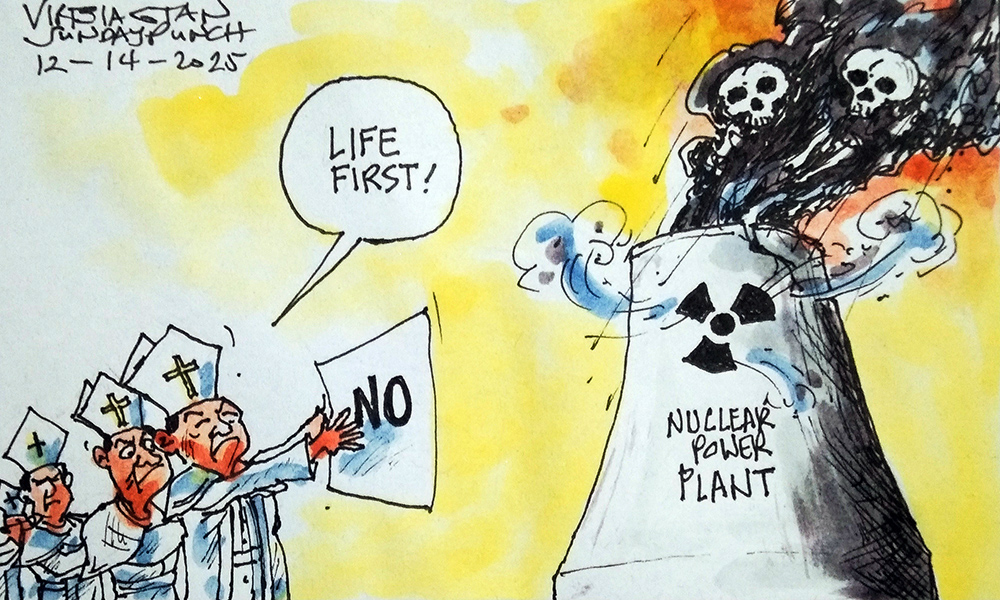
Among the most vocal opponents are the Catholic bishops from Pangasinan, La Union, and Nueva Ecija, whose concerns deserve serious attention. Then, they were joined by several other leaders of the Catholic Church across the country. Their resistance is based on both practical and ethical considerations.
Saying “no” to nuclear power plants in Pangasinan and anywhere else, the bishops underscore the inherent dangers of nuclear energy, particularly the risk of catastrophic accidents, given the Philippines’ position on a seismic fault line and its susceptibility to typhoons and earthquakes.
Moreover, the long-term management of radioactive waste presents an ongoing dilemma. This hazardous material remains dangerous for thousands of years, and the Philippines has yet to formulate a secure and sustainable disposal strategy.
The bishops rightly caution that the consequences of a nuclear disaster could be dire, jeopardizing millions of lives and harming the environment.
In place of the unclear power plant, the bishops advocate for renewable energy as a safer, more sustainable alternative. The Philippines boasts an abundance of renewable resources, including solar, wind, and geothermal energy—options that promise a cleaner and greener future without the risks associated with nuclear power.
Regrettably, these renewable sources remain significantly underutilized, despite the country’s plentiful natural assets.
At the core of the bishops’ opposition to nuclear energy is a call for genuine, sustainable development. They assert that true progress must not come at the expense of human lives or environmental integrity.
Their mantra, “Life first before money; people first before power,” emphasizes that no energy solution is viable if it threatens our health, safety, and the future of the planet.
Thus, the push for investment in renewable energy sources—wind, solar, hydro, and geothermal—should not be simply dismissed as impractical or overly idealistic.
With the right investment in infrastructure and innovation, these technologies could provide a more stable and cost-effective energy future while safeguarding the environment and the well-being of millions of Filipinos. #